
Last updated:
Dominica scuba diving offers some of the Caribbean's most unique underwater experiences. This Lesser Antilles island sits between Guadeloupe and Martinique with 751 square kilometers of land and 72,000 residents. The island's dramatic geography extends underwater, creating exceptional dive conditions year-round. Volcanic formations, healthy coral reefs, and abundant marine life attract divers of all skill levels.
The island's position in the Lesser Antilles makes it less crowded than major Caribbean dive destinations. You'll find pristine reefs, dramatic drop-offs, and unique volcanic features that create memorable dives. Dominica's commitment to marine conservation means many sites remain in excellent condition.
Best Dive Sites in Dominica
Scotts Head Marine Reserve sits at Dominica's southern tip where the Caribbean Sea meets the Atlantic Ocean. This reserve features a dramatic underwater wall that drops to 30 meters. You'll encounter spotted eagle rays, green sea turtles, and large schools of jacks. The site offers multiple dive levels, making it suitable for most experience ranges.
The reserve's main dive site, Scotts Head Pinnacle, rises from the seafloor to within 5 meters of the surface. Strong currents here attract pelagic species. Divers should expect moderate to strong water movement. The site's coral formations include branching corals and brain corals that shelter numerous fish species.
Soufriere Pinnacles near the west coast delivers one of Dominica's most spectacular dives. Two underwater mountains rise from 45 meters to just 8 meters below the surface. These pinnacles receive excellent current flow that supports abundant fish life. You'll see barracuda, grouper, snappers, and sometimes sharks patrolling the area.
The pinnacles offer exciting drift diving for intermediate and advanced divers. The site's topography creates interesting swim-throughs and over-unders. Morning dives typically provide calmer conditions. Visibility often exceeds 25 meters on good days.
Toucari Bay on the north coast features a gently sloping reef perfect for all skill levels. This site starts in shallow water at 3 meters and extends to 30 meters. You'll find healthy coral formations including elkhorn coral and sea fans. The bay's calm conditions make it ideal for beginners and families.
Toucari Bay's reef supports spotted moray eels, octopuses, and colorful reef fish. Macro photography enthusiasts find excellent opportunities here. The site's shallow sections allow longer bottom times for beginners building confidence.
Coconut Garden off the west coast offers a unique sloping reef with excellent coral diversity. The site stretches from 5 to 35 meters depth. Colorful sponges cover much of the reef structure. Southern stingray, spotted eagle rays, and trumpetfish inhabit these waters.
The site's name comes from coconut trees visible on the nearby shore. Visibility typically reaches 20 to 25 meters. The gradual slope allows divers to explore multiple depth zones during a single dive. The reef supports both hard and soft corals in good health.
Wall and Drop-Off Dives
Pinnacle Reef features a dramatic vertical wall that drops beyond recreational diving depths. The site's upper sections from 12 to 25 meters offer excellent wall diving. Coral encrusts the wall with barrel sponges and sea fans creating homes for fish. You may encounter Nassau grouper and large snappers on the wall face.
Dominica Dive Sites Map Area includes several lesser-known wall dives along the south coast. These sites receive fewer divers, preserving their pristine condition. Strong currents characterize many of these locations, requiring intermediate experience.
PRO TIP: Book your dives with local operators the day before. This ensures boat availability and allows crews to monitor weather conditions. Most shops offer early morning departures around 8 AM, giving you the best visibility and calmest conditions.
Scuba Diving for Beginners in Dominica

Dominica welcomes beginning divers with several excellent training sites. The island's calm bays and protected reefs make it perfect for certification courses. Most dive operators offer Open Water certification through Padi or similar agencies. The certification process takes three to four days and includes classroom work, confined water training, and open water dives.
Toucari Bay consistently ranks as Dominica's best beginner site. The bay's calm waters rarely exceed 2-knot currents. Visibility usually exceeds 15 meters, allowing instructors to monitor students clearly. The gradual slope lets students remain in shallow water while learning essential skills.
Layou River Reef provides another excellent beginner location. This west coast site features a gently sloping reef in shallow water. Maximum depth for beginner dives typically stays between 8 and 12 meters. The site's calm conditions and abundant life make it enjoyable for newer divers.
When learning to dive in Dominica, expect warm water that requires minimal thermal protection. Water temperature stays around 26 to 28 degrees Celsius year-round. Most beginners wear a 3mm wetsuit for comfort and sun protection. The island's sunny weather creates pleasant surface intervals between dives.
Beginners should plan two-dive days with at least one hour surface intervals. This allows time to review skills and rest between dives. Many operators provide lunch on the boat or at nearby beach facilities. Bring sunscreen, a hat, and plenty of water for the boat ride.
Dominica's dive shops cater to beginners with patient instruction and small class sizes. Instructors typically work with no more than four students per class. This personal attention helps students progress safely and confidently. Most instructors have lived on Dominica for years and know local conditions intimately.
Snorkeling in Dominica
Snorkeling in Dominica offers incredible views without scuba certification requirements. Many dive operators run dedicated snorkel trips to the same locations divers visit. You'll see colorful fish, coral formations, and sea turtles from the surface. The experience requires minimal training and opens reef exploration to everyone.
Champagne Reef represents Dominica's most unique snorkeling experience. Underwater volcanic vents release warm, carbonated water that bubbles upward. Snorkeling here feels like swimming through a champagne bottle. The reef sits in very shallow water, perfect for snorkelers of all abilities. You'll float above colorful corals and tropical fish while feeling the warm bubbles rise around you.
Getting to Champagne Reef requires a boat ride of about 20 minutes from the nearest beach launch point. The vents create a surreal underwater environment unlike anywhere else in the Caribbean. The shallow depth, typically 3 to 5 meters, means snorkelers control their exploration entirely.
Scotts Head Pinnacle offers excellent snorkeling on its upper sections. The pinnacle's shallowest area at 5 meters provides stunning views without extreme depths. You'll see the same fish species as divers but remain in comfortable shallow water. The site's calm conditions during morning snorkel tours make it safe for most swimmers.
Toucari Bay Snorkel Tours run regularly throughout the day. The bay's calm conditions suit families with children. Operators provide all necessary equipment including masks, snorkels, and fins. Most tours last three hours with time in the water at multiple spots. Children as young as four or five can typically snorkel with parental supervision.
Bring reef-safe sunscreen to protect both your skin and marine life. Standard sunscreen contains chemicals that damage coral. Many shops sell reef-safe alternatives, or bring your own from home. Wear a rash guard or light wetsuit top for additional sun protection and thermal comfort.
Snorkel trips typically cost less than scuba dives and require no training. Tours usually include boat transportation, equipment rental, and a guide. Some operators combine snorkeling with beach time or visits to nearby attractions. Half-day snorkel tours depart morning and afternoon, accommodating various schedules.
PRO TIP: Take an underwater camera or GoPro on snorkel trips to capture memories. The shallow depths and excellent visibility provide ideal conditions for photography. Many operators allow guests to bring personal cameras. Some even offer rental cameras for those without equipment.
Dive Schools and Operators
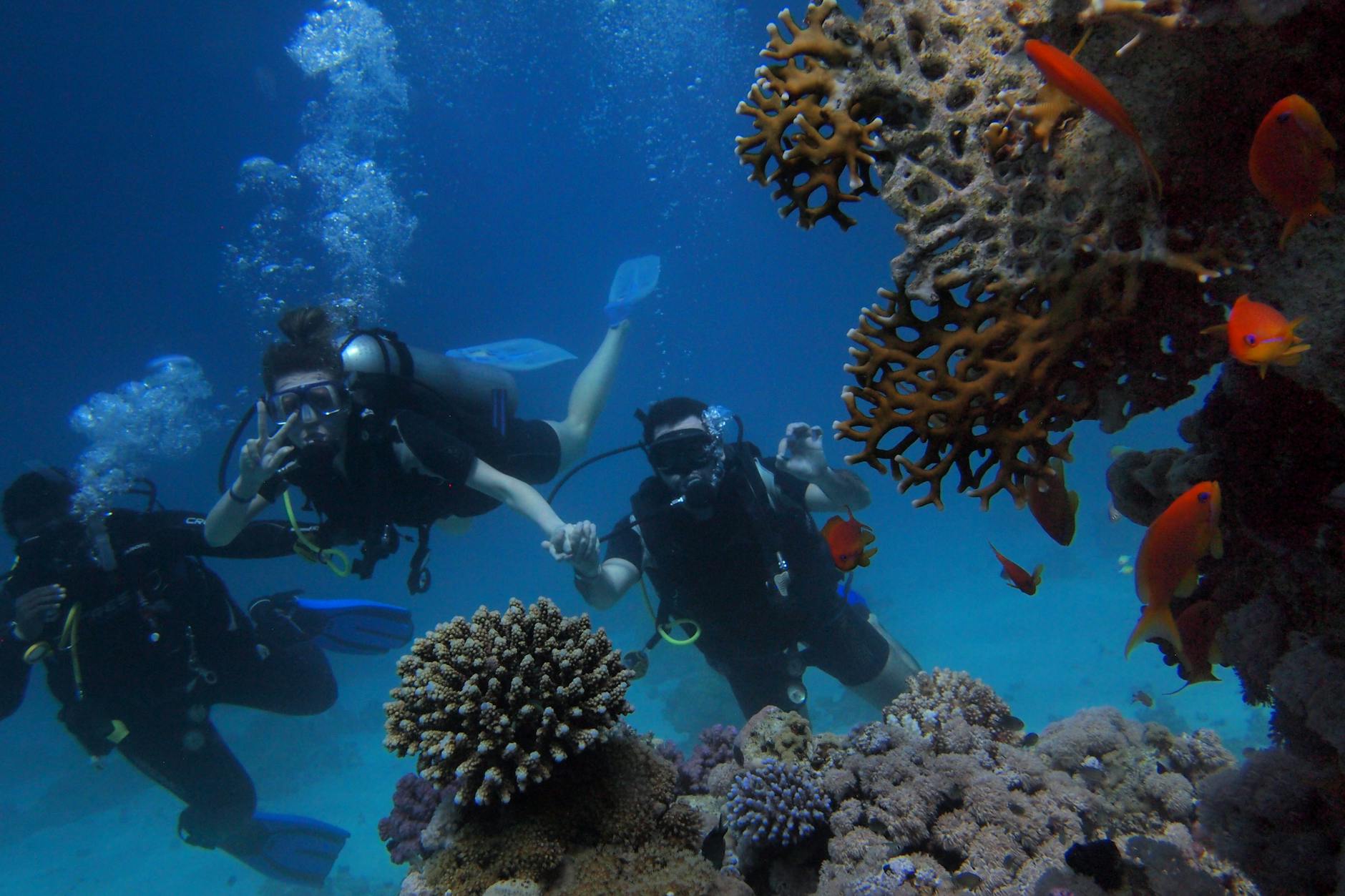
Dominica hosts several established dive operators serving the island's diving community. These shops employ certified instructors, maintain safe equipment, and follow strict diving protocols. Most operators conduct dives daily, weather permitting.
Diving operators cluster along the west coast in areas like Rosalie Bay and Pagua Bay. These locations provide easy boat access to most popular sites. Operators typically offer morning and afternoon dives with customized itineraries. Many shops cater to specific interests including wreck diving, macro photography, or coral reef exploration.
When choosing a dive operator, verify their certifications and safety records. Ask about instructor qualifications, equipment maintenance schedules, and emergency procedures. Most reputable operators display their certifications prominently. They welcome questions about their safety protocols and training methods.
Dive shops provide equipment rental if you prefer not to travel with your own gear. Rental equipment includes tanks, regulators, buoyancy compensators, and weights. Some shops charge additional fees for equipment while others include it in dive packages. Confirm what's included before booking.
Many operators offer multi-dive packages at discounted rates. Three-dive and five-dive packages typically save money compared to single dives. These packages must be used within specific timeframes, usually seven to ten days. Packages provide flexibility to dive on multiple days without daily trip negotiations.
Certification courses run regularly at most dive shops. Open Water certification takes three to four days of intensive instruction. Shops offer specialized courses including Advanced Open Water, rescue training, and specialty certifications. Most courses run Monday through Thursday, freeing weekends for recreational diving.
Dominica's dive operators coordinate with accommodation providers for package deals. Many hotels offer discounted diving rates when booking through their partnerships. Package deals typically include accommodation, meals, and daily dives. These arrangements simplify trip planning and often reduce overall costs.
What You Will See Underwater
Dominica's underwater world teems with Caribbean marine life. You'll encounter fish species in stunning colors and patterns. Reef formations range from delicate soft corals to massive brain corals. The island's volcanic geology creates unique habitats supporting diverse life.
Fish species include spotted eagle rays that glide gracefully over reefs. Green sea turtles rest on sandy bottoms and browse sea grass. Nurse sharks patrol deeper sections, generally avoiding human contact. Barracuda, grouper, and snapper school in open water above reefs.
Smaller creatures offer rewards for patient observation. Octopuses change color and texture instantly when disturbed. Moray eels peer from coral crevices with intense eyes. Seahorses cling to sea grass in shallow areas. Nudibranchs in various colors crawl across the seafloor like undersea butterflies.
Coral formations showcase both hard and soft varieties. Brain coral, the most massive coral type, grows slowly and lives for centuries. Elkhorn coral forms branching structures resembling antlers. Sea fans wave gently with current movement, creating ethereal underwater gardens.
Sponges in yellows, oranges, and reds dominate certain reef sections. Barrel sponges grow large enough for divers to swim through. Tube sponges create vertical structures rising from the seafloor. These sponges filter feed continuously, removing plankton from the water column.
Crustaceans include spiny lobsters that emerge at dusk. Banded coral shrimp conduct cleaning stations where fish line up for parasite removal. Arrow crabs with impossibly thin legs navigate rocky crevices. Mantis shrimp burrow in sand with only their eyes visible.
Macro photography enthusiasts find endless subjects. Seahorses camouflage perfectly against sea grass. Tiny blennies dart from holes in coral. Juvenile fish display different coloration than adults, confusing identification. Cleaner fish remove parasites from larger fish in ritualized cleaning behavior.
Dominica's deeper dives reveal pelagic species. Jacks form massive schools that create shadow overhead. Wahoo and other large game fish occasionally visit. Sharks including reef sharks and whale sharks appear seasonally. These encounters excite experienced divers who understand proper distance and behavior.
PRO TIP: Bring a small dive slate to communicate observations with your dive buddy. Note interesting creatures, unusual behaviors, or specific locations worth revisiting. This enhances the dive experience and helps you remember details from deeper dives.
Best Time To Dive in Dominica

Dominica's diving season peaks from December through May. These months bring calm seas, excellent visibility, and comfortable water temperatures. Trade winds blow from the northeast, protecting the west coast where most dive sites locate. Rainfall decreases dramatically during this period, creating pleasant surface conditions.
December through February represents peak season when accommodation prices rise and dive boats fill quickly. January and February typically offer the calmest conditions with lowest rainfall. Book dives several days in advance during these months to secure preferred times.
March through May extends the excellent diving season. Prices begin dropping slightly as visitor numbers decrease. Water conditions remain outstanding with visibility often exceeding 25 meters. These months offer the best balance of weather reliability and fewer crowds.
June through November constitutes the rainy season with increased Atlantic swell. The west coast remains diveable, but conditions become less predictable. Visibility drops occasionally due to river runoff and increased plankton. Tropical storms develop more frequently during this period, potentially forcing daily dive cancellations.
Hurricane season officially runs June through November. While direct hurricane impacts remain rare, tropical depressions and storms occur more frequently. Dominica's southern location in the Lesser Antilles means it faces lower hurricane risk than northern Caribbean islands.
Water temperature stays consistent year-round at 26 to 28 degrees Celsius. Thermal protection needs remain minimal even during cooler months. Most divers wear 3mm wetsuits for comfort and sun protection rather than warmth. Tropical sun exposure poses greater concern than cold water.
Air temperature averages 27 degrees Celsius throughout the year. Expect tropical weather with sudden showers even during dry season. Afternoons typically bring brief intense rain followed by clear skies. This pattern rarely interferes with diving since most dives occur in the morning.
Visiting outside peak season offers advantages including lower prices, smaller dive groups, and easier dive shop access. Many divers find June and September offering excellent conditions despite higher rain. These shoulder season months provide good value for budget-conscious travelers.
Frequently Asked Questions
What certifications do I need to scuba dive in Dominica?
Dominica accepts most internationally recognized scuba certifications including Padi, SSI, and NAUI. You must carry your certification card to dive independently. If uncertified, you can pursue open water certification through local dive shops. Certification takes three to four days and costs vary by operator. Most shops offer referral programs where you complete classroom and confined water work at home, then finish open water training in Dominica for quicker certification.
Is Dominica scuba diving expensive compared to other Caribbean destinations?
Dominica's diving costs remain moderate compared to popular dive destinations like Cozumel or the Cayman Islands. Single boat dives range from mid-range prices, varying by operator and site distance. Multi-dive packages offer better value than daily single dives. Equipment rental adds modest additional cost if you don't bring your own. Package deals combining accommodation and dives often provide significant savings. Overall, Dominica offers good value for quality diving experiences.
Can I dive in Dominica if I only have minimal swimming ability?
You don't need to be an accomplished swimmer to learn scuba diving. Certification instructors work with people of varying swimming abilities. The key is comfort in water and ability to follow instructions. Most beginners develop confidence within the first training session. If you have significant anxiety about water, discuss this with your instructor before starting. They can adapt teaching methods to your comfort level. Dominica's calm training sites help build confidence for nervous learners.
What should I pack for a diving trip to Dominica?
Bring your diving certification card, log book, and any personal diving equipment you own. Pack reef-safe sunscreen, a hat, and UV-protective rash guard. Bring prescription medications and any personal medical supplies. Include a light rain jacket for afternoon showers. Underwater camera or GoPro captures excellent memories. Most accommodations provide towels, but a personal microfiber towel dries faster in tropical humidity. Comfortable shoes for boat boarding and rocky entries prevent foot injuries. Bring cash in small denominations for tipping and small purchases.
How do I get to dive sites if I'm staying away from the coast?
Dive operators provide hotel pickup services from major accommodation areas. Contact your chosen dive shop to confirm they service your hotel location. Pickup typically occurs 30 to 60 minutes before boat departure. If your accommodation lacks dive shop service, rent a car and drive to the dive shop. Dominica's roads allow self-driving, though some routes challenge driving skills. Taxi services operate throughout the island, though rates vary significantly. Planning accommodation near the coast eliminates transportation complications.