
Last updated:
Things To Do in Dominica: Overview
Dominica is the Nature Island of the Caribbean, and visitors discover why immediately. This island offers incredible Dominica things to do that few other Caribbean destinations match. You can hike to boiling lakes, swim under waterfalls, and dive pristine coral reefs on the same day.
The island sits in the Lesser Antilles and covers 751 square kilometers. Only 72,000 people call Dominica home, so you'll find untouched landscapes everywhere. English and Dominican Creole French are the main languages here. Most visitors arrive via Douglas-Charles Airport on the island's northeast coast.
December through May offers the best weather for activities and exploration. Temperatures average 27°C year-round, making outdoor adventures comfortable. The island rarely experiences hurricanes compared to other Caribbean islands. Pack light clothes, sunscreen, and sturdy hiking shoes for the best experience.
Best Beaches in Dominica

Dominica's beaches are less crowded than other Caribbean islands, offering peaceful coastal experiences. Black sand beaches line much of the coast, created by volcanic rock. These beaches warm faster in the sun than typical white sand beaches.
Champagne Beach sits on the island's south coast near Soufrière. The beach gets its name from natural underwater hot springs that bubble like champagne. You'll feel warm water on your skin while swimming in the Caribbean Sea. The beach has calm waters perfect for families with young children.
Woodford Hill Beach is on the northeast coast and stretches for nearly a mile. This black sand beach offers privacy and fewer tourists than popular spots. The water is calm and shallow near shore, making it ideal for beginners. Coconut trees provide natural shade if you forget an umbrella.
Picard Beach sits on the northwest coast in Portsmouth. This long, sandy beach offers plenty of space for families and groups. Local food-restaurants line the beach, serving fresh seafood and Dominican dishes. You can rent beach chairs and umbrellas from vendors along the shore.
Pagua Bay Beach is tucked on the northeast coast and offers dramatic ocean views. The beach features both black and golden sand mixed together. Rough waves here attract surfers and body boarders. Visit during calm days if you're not an experienced swimmer.
PRO TIP: Bring reef-safe sunscreen to all beaches. Standard sunscreen damages coral reefs and marine life. Most beaches have no lifeguards, so swim with a buddy and check water conditions first.
Outdoor Activities in Dominica
Dominica's rainforests and mountains create some of the Caribbean's best hiking opportunities. The island has numerous trails suitable for different skill levels. Hikers encounter waterfalls, river pools, and scenic mountain views regularly.
Trafalgar Falls is the most accessible waterfall hike on the island. The trail takes about 30 minutes from start to finish. Two waterfalls pour into natural pools where you can swim. This hike suits families and solo travelers who want an easy outdoor experience. The trailhead is near Rosalie town, easily reached from most island locations.
Titou Gorge offers a more adventurous waterfall experience. The hike winds through a narrow canyon with river water flowing around your feet. You'll swim through the gorge to reach a waterfall at the canyon's end. Bring water shoes with good grip for slippery rocks. The gorge is near Laudat in the island's central region.
Boiling Lake is Dominica's most famous hiking destination. The volcano-fed lake bubbles constantly from geothermal heat below. The round-trip hike takes about four hours. You'll pass through rainforest and cross the Valley of Desolation on the way. Only experienced hikers should attempt this challenging trail.
Mount Diablotin is Dominica's highest peak at 1,447 meters. The hike to the summit takes about six hours round trip. Clear days provide views of neighboring Caribbean islands. Bring plenty of water and snacks. The trail starts in the northern part of the island near Portsmouth.
PRO TIP: Hire a local guide for any challenging hike. Guides know the safest routes and can identify plants and wildlife. They also assist hikers who struggle with difficult terrain. Most guides charge reasonable rates and enhance your island experience.
Water Sports in Dominica

Dominica has excellent water sports opportunities year-round. The island's location in the Caribbean provides consistent conditions for diving, snorkeling, and fishing.
Scuba Diving is world-class in Dominica. The island has numerous dive sites featuring coral reefs and marine life. Scott's Head Marine Reserve on the south coast offers multiple dive locations. Divers see colorful fish, sea turtles, and eagle rays regularly. Several dive shops offer certification courses and guided dives. Beginners can start with shallow reef dives in protected areas.
Snorkeling requires less experience than diving and shows similar marine life. You can snorkel from many beaches without a guide. Champagne Beach is excellent for snorkeling due to calm waters and nearby reefs. Bring your own snorkel gear or rent equipment from beach vendors. The water temperature stays warm year-round, so minimal wetsuit protection is needed.
Whale and Dolphin Watching tours operate throughout the year. Tours depart from Portsmouth and other coastal towns. You may see sperm whales, pilot whales, and spotted dolphins. The best months are November through April. Tours typically last four to six hours and include snorkel time at marine sites.
Kayaking tours explore the island's coastline and calm bays. Many tours include snorkeling stops at shallow reefs. Night kayaking tours show bioluminescent organisms that glow in darkness. Kayak tours suit families and couples looking for relaxed water activities.
Sport Fishing charters operate from multiple island ports. You can fish for mahi-mahi, wahoo, and other game fish. Half-day and full-day trips are available. Experienced anglers and beginners both enjoy fishing charters. Many boats provide all equipment and help clean your catch.
Things To Do in Dominica at Night
Nightlife in Dominica is quieter than larger Caribbean islands, but good options exist. The island offers cultural experiences, restaurants, and bars that stay open late.
Dinner and Dancing happen regularly at beachfront restaurants. Pagua Bay and Picard Beach host Friday and Saturday night gatherings. Local bands play Caribbean music while you eat fresh seafood. Many venues are casual and welcoming to tourists and locals alike. Bring comfortable shoes for dancing on sand.
Fort Shirley Nighttime Tours explore the historic military installation near Portsmouth. The fort sits on a hill overlooking the coast. Tours during daylight are common, but evening visits offer fewer crowds. The views of the Caribbean Sea at sunset are stunning from the fort's walls.
Dominica Festivals happen throughout the year with evening events. Carnival in February features parades, music, and dancing all night. The World Creole Music Festival in October brings international artists to the island. These festivals are free or low cost and open to all travelers.
Karaoke Nights occur at bars in Rosalie and Portsmouth. Local residents gather to sing and socialize. These nights give solo travelers chances to meet islanders. Drinks are affordable and the atmosphere is always friendly and fun.
Sunset Watching at scenic locations costs nothing and offers memorable experiences. Scotts Head is excellent for sunset views over multiple islands. Champagne Beach provides romantic sunset moments with hot springs nearby. The sun sets around 6 PM year-round in Dominica.
PRO TIP: Most nightlife happens on weekends, particularly Friday and Saturday nights. Many restaurants close by 10 PM on weekdays. Ask your hotel staff for current event information before planning your evening. Cell service is available in towns, so you can call ahead to check if venues are open.
Things To Do in Dominica With Kids

Dominica offers family-friendly activities that keep kids engaged and active. The island's natural attractions are safe and suitable for children of various ages.
Beach Time at Champagne Beach is perfect for families with young children. The calm shallow waters are safe for kids learning to swim. Hot springs nearby create warm spots in the ocean. Kids enjoy the unique experience of swimming in naturally heated water. Bring floaties and water toys to keep children entertained for hours.
Trafalgar Falls Hike is manageable for kids aged six and up. The 30-minute hike is easy enough for young legs. Swimming in natural pools at the waterfall's base is the highlight for most children. Pack snacks and water to keep kids fueled during the walk. The trip creates memorable moments for family bonding.
Freshwater Pools and Rivers dot the island and offer free swimming. These natural pools don't have crowds like popular beaches. Kids can splash and play safely in calm water areas. Always supervise children around moving water and ask locals about current conditions.
Botanical Gardens in Rosalie display tropical plants and flowers. Walking the gardens is leisurely and educational. Kids learn about Caribbean plant life in natural settings. The gardens are peaceful and suitable for strollers. Many gardens have benches for resting tired parents.
Banana Plantations Tours teach kids how food grows. Some plantations offer guided tours explaining cultivation methods. Children can see and taste fresh bananas picked from trees. Tours are usually short and hands on. Farmers are welcoming to families and enjoy explaining their work.
Free Things To Do in Dominica
Dominica's natural beauty means many activities cost nothing. The island's beaches, parks, and attractions often have no entrance fees.
Beach Access is free at all Dominica beaches. No one charges entrance fees or usage taxes. You can spend entire days at Picard Beach or Champagne Beach without paying. Some restaurants near beaches charge for food and drinks but access to sand and water is always free.
Hiking Trails in national parks have no fees. Trafalgar Falls and many forest trails are completely free. You only pay if you hire a local guide. The island's 751 square kilometers offer unlimited hiking opportunities without cost.
Sunset and Sunrise Viewing costs nothing but creates lasting memories. Wake early to see sunrise over the Caribbean from mountain peaks. Watch sunset from beaches or hilltops in the evening. Photography enthusiasts find endless free subjects around the island.
Town Exploration in Rosalie and Portsmouth is free. Walking through towns, visiting local markets, and observing island life costs nothing. You'll learn about Dominican culture by observing daily routines. Stop at food stands for inexpensive local snacks and drinks.
River Swimming in mountain streams is free and refreshing. Many rivers have natural pools perfect for cooling off. Ask locals where safe swimming areas are located. Bring a towel and change of clothes for river adventures.
Photography and Nature Observation are free activities throughout Dominica. The island's wildlife includes rare bird species. Photography enthusiasts capture incredible images daily. Bring a camera or use your smartphone to document your trip.
PRO TIP: Visit local markets early in the morning before tourists arrive. You'll see authentic island life and find the best prices on fresh fruits and vegetables. Vendors are friendly and enjoy talking with visitors. Bring reusable bags for carrying purchases.
Day Trips From Dominica
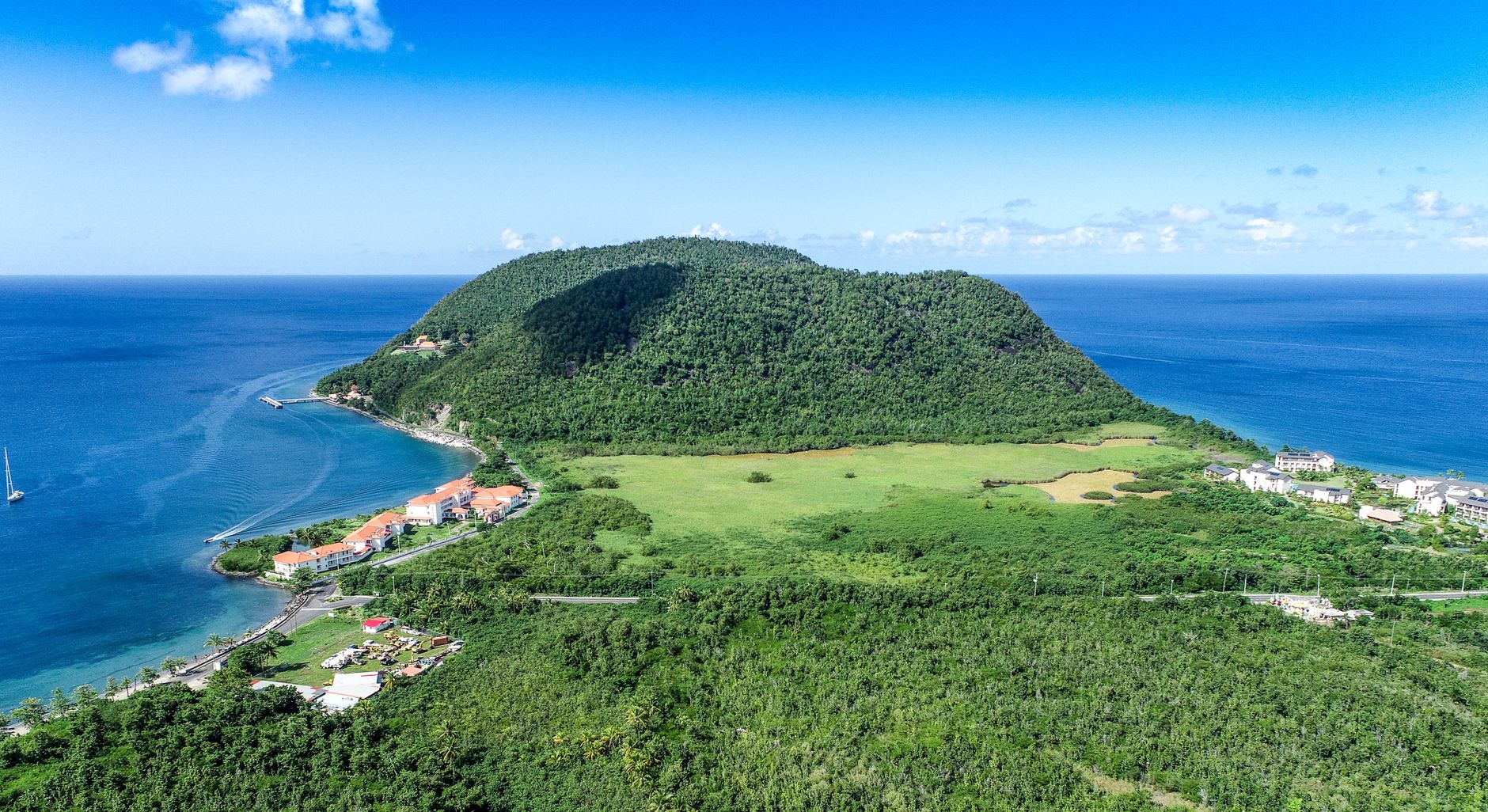
Dominica's location makes day trips to nearby islands possible. Ferry services and private boats connect you to neighboring Caribbean destinations.
Guadeloupe Day Trip is the most common island hop. Fast ferries take about 90 minutes to reach Pointe-à-Pitre. You can spend the day exploring Guadeloupe's beaches and towns. Return ferries depart in late afternoon or evening. This trip requires a valid passport but no additional visas.
Martinique Day Trip involves a ferry ride lasting about two hours. The island offers shopping, restaurants, and beaches different from Dominica. Ferries run several times weekly. Check ferry schedules in advance as service varies by season.
Boat Tours Around Dominica explore the coastline and offshore areas. Tours stop at snorkel sites, beaches, and fishing spots. Lunch often includes fresh caught fish cooked onboard. Tours last four to eight hours and depart from various coastal towns.
Whale Watching Expeditions often combine with boat tours to nearby waters. These full-day trips offer chances to see marine mammals. Tours depart early morning and return by late afternoon. Pack seasickness medication if you're prone to motion sickness.
Fishing Excursions take you offshore to productive fishing grounds. You might catch mahi-mahi, wahoo, or red snapper. Boats provide all equipment and expertise. Half-day and full-day options suit different schedules and budgets.
Frequently Asked Questions
What Is the Best Time To Visit Dominica for Activities and Water Sports?
December through May offers the best conditions for Dominica things to do. This period features calm seas ideal for diving, snorkeling, and water sports. Hurricane season runs June through November, though Dominica rarely experiences direct hits. Rain increases during summer months but doesn't prevent activities. The driest and sunniest days occur from February through April. Book accommodations and tours in advance during December and January when many travelers visit the island.
Do I Need a Visa To Visit Dominica?
Most nationalities don't need visas for tourist visits to Dominica. Citizens of the United States, Canada, European Union countries, and many others receive visa-free entry. You get a tourist stamp upon arrival that typically allows 14 to 21 days. Your passport must be valid for at least six months beyond your travel dates. A return ticket and proof of accommodation may be requested. Check current requirements with the Dominican government before booking your trip.
What Currency Should I Bring To Dominica?
The East Caribbean dollar (XCD) is Dominica's official currency. Banks and ATMs throughout the island dispense XCD. Many tourist areas accept US dollars, though exchange rates are unfavorable. Credit cards work at hotels, restaurants, and some shops but not everywhere. Small vendors and markets often accept cash only. Exchange rates are better at banks than hotels. Notify your bank before traveling so they don't block international transactions.
Is Dominica Safe for Tourists and Solo Travelers?
Dominica is generally safe for tourists compared to other Caribbean islands. Violent crime against visitors is rare. Use standard travel safety practices like avoiding isolated areas at night. Solo travelers should inform someone of their daily plans. Stick to main roads and established tourist areas. Beach and hiking accidents happen occasionally, so follow local advice about water conditions and trail safety. Tourist police operate in main towns and are helpful. The island has adequate medical facilities in Rosalie for emergencies.
What Should I Pack for a Trip To Dominica?
Pack light, breathable clothing for hot weather and humidity. Bring sturdy hiking boots or shoes with good traction for mountain trails and river crossings. Reef-safe sunscreen protects both your skin and marine ecosystems. A lightweight rain jacket handles afternoon showers. Bring a waterproof camera for beach and water activities. Snorkel gear is optional since rentals are available. Quick-dry clothes work better than cotton for water activities. Insect repellent protects against mosquitoes in the evening. A small day pack carries essentials during hikes and island exploration.